Behind the Chair
The Haircut Consultation: Questions to Ask Before the Clippers Come On
Ask better barber consultation questions about haircut goals, reference photos, styling habits, and maintenance before the clippers come on.
October 17, 2026

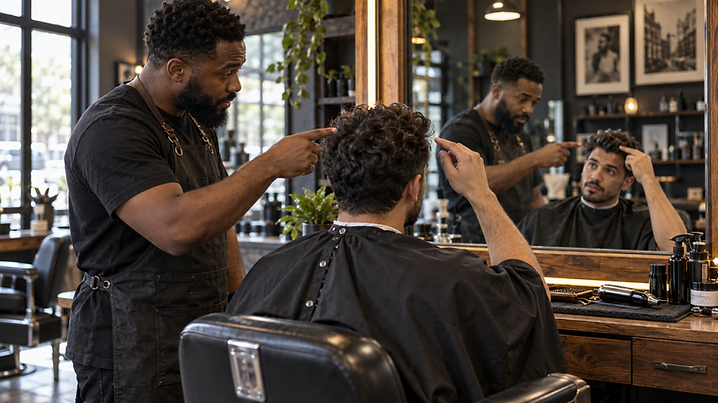
“Just clean it up.”
A client can say those four words and mean almost anything. Take a little off the ends. Tighten the sides. Leave the top alone. Make it look like the last haircut, but somehow better.
The trouble starts when the barber hears one version and the client means another.
A good haircut consultation makes those details clear while there is still time to change the plan. It should feel like a conversation with someone who is paying attention.
You do not need to make every appointment an interview. You do need enough information to know what the person in your chair expects to see in the mirror.
Begin with what is already working
Before suggesting a change, ask:
“What do you like about your hair right now?”
That answer tells you what deserves protection. The client might like the length at the front, the fullness around the crown, or the way the sides have finally grown out.
Follow with:
“What would you like to be different?”
Give them a moment to answer. “It gets bulky here” is useful information, especially when they point to the spot. So is “I liked it when I left last time, but I couldn’t style it the next morning.”
Those answers reveal different problems. One may involve weight or shape. The other may require a closer look at styling habits, expectations, or the previous finish.
Ask about the last haircut without putting anyone down
A new client may arrive with a disappointing haircut and a long explanation. Listen for the details that will help you today.
Try:
“Was anything taken shorter than you wanted?”
“When did you start noticing the shape wasn’t working for you?”
“Is there an area you want me to be especially careful with?”
Keep the conversation focused on their preferences. You do not need to criticize the previous barber to show that you understand.
If the client says the crown stood up after their last cut, note it and examine the area. If they say the front was too short, establish the length they want to keep before beginning.
Turn the reference photo into a conversation
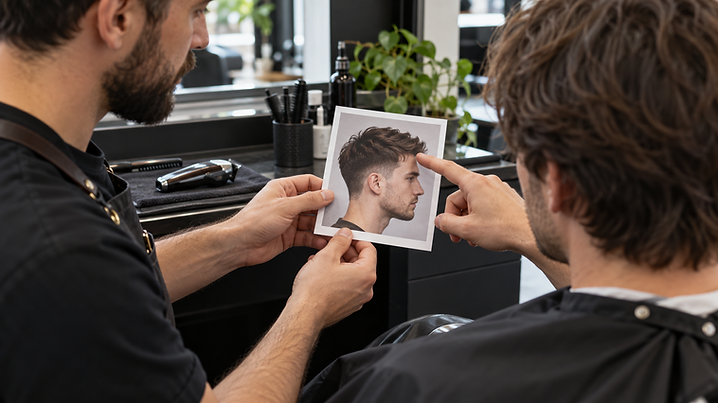
A photo is helpful, but you still need to know why the client chose it.
Ask:
“Which part of this haircut are you hoping to get?”
They may want the fringe but dislike the exposed sides. They may like the overall shape without realizing the photograph shows a skin fade.
Point to specific features together:
- How much scalp is visible.
- Where the shortest section begins and ends.
- The length and direction of the front.
- The fullness through the upper sides.
- The outline around the ears and neckline.
Then explain any adjustments you recommend.
For example: “We can aim for that shape. Your hair sits differently at the crown, so I’d suggest keeping a little more length there. How does that sound?”
The photo gives you a shared reference. Your explanation helps the client understand how that reference applies to their own hair.

Replace vague haircut terms with visible choices
“Short,” “natural,” and “a little off” can mean different things to different people.
If someone asks for a low fade, show them where you intend to place it. Ask whether they want skin showing or prefer some shadow at the shortest point.
If they ask for a trim on top, lift a section and show the proposed removal. Clarify the length that will remain, especially around the front.
Useful questions include:
“Do you want this off your ears, or would you like some coverage?”
“Should the front sit above your eyebrows when you wear it forward?”
“Do you want to keep this corner fuller?”
A guard number can be part of the discussion, but it should not carry the whole conversation. Make sure you agree on the appearance the client wants.
Look at the hair before promising the result
The consultation includes observation as well as questions.
BCcampus’s barbering education guidance identifies head shape and growth patterns as important parts of the assessment. It also discusses checking the direction of growth around the hairline and nape.
Examine the crown, hairline, density, and the way the hair naturally settles. Explain relevant findings without making the client feel that their hair is a problem.
You might say:
“This section grows forward. Do you usually wear it that way, or brush it back?”
Or:
“Would you like to keep some coverage here?”
Offer a recommendation, explain the tradeoff, and let the client respond. Their preference belongs in the decision.
Ask what styling looks like on an ordinary morning
A finished haircut has to fit the routine the client will actually follow.
Ask:
“What do you normally do with your hair before you leave the house?”
That tends to produce a more useful answer than asking whether they style it. Someone may use a brush and dryer without considering it a routine. Another person may put product in damp hair and hope for the best.
Follow up where needed:
“Do you use a dryer, or let it air-dry?”
“What products do you already have?”
“How much time would you comfortably spend on it?”
Wahl’s maintenance guidance recommends discussing a lower-maintenance cut when frequent barber visits are unlikely. That same practical thinking belongs in the consultation: explain the upkeep before the client commits to the look.
If the reference style requires more effort than they want, offer an alternative and describe what will look different.
Confirm the service and price before starting
A haircut request can grow during the conversation. Beard shaping, a design, or another service may be added.
Confirm what is included and what the appointment will cost before beginning. If a request changes the price or needs more time than the booking allows, explain that while the client can still choose.
Plain wording works:
“Would you like the beard service as well? Let me confirm the full price with you before we start.”
For a detailed design, confirm the scope and quote before cutting it. Avoid leaving either person to discover a different understanding at checkout.
Read the plan back in everyday language
Before picking up the clippers, briefly summarize the decisions.
Here is an example:
“We’re keeping the fade low, leaving some shadow at the bottom, and keeping fullness through the upper sides. I’ll take a small amount off the top, keep the front longer, and leave extra length at the crown. Haircut only today, at the price we discussed. Anything you want to change before we start?”
Give the client room to correct you.
City & Guilds’ barbering assessment materials include confirming client agreement and communicating during the service. A short read-back is one practical way to put that principle into action.
Keep checking in when a decision changes
You do not need approval for every pass. But if the agreed plan needs a meaningful change, pause and explain it.
“We may need to go shorter” should lead to a conversation before the hair comes off.
Regular clients deserve a check-in, too. “Same as last time?” is a start. “Anything you’d like adjusted from last time?” gives them an opening to mention something they might otherwise keep to themselves.
After the service, keep concise, relevant notes about the agreed cut and any useful adjustments. Ask permission before taking or saving client photographs.
At the next appointment, those notes give you somewhere to begin. The client’s current answer tells you where to go.
The question that makes room for honesty
Before starting, ask:
“Is there anything you’re worried I might do?”
Some clients will say no. Others will finally mention the concern they have been carrying since they walked in: a pushed-back hairline, sides cut too high, a fringe taken too short, or losing length they have spent months growing.
You would rather hear that while the clippers are still on the station.
A strong consultation leaves both people able to describe the same haircut. When the client knows what you are planning—and knows they can speak up—you can begin with a much clearer understanding of the work ahead.
Looking for a barber you can talk to about your next cut? Explore BarberScope and get to know professionals through their profiles and portfolios.